
A Brief History
You've selected:
Portable Consoles
"Portable Power"
Nintendo Game Boy
1989
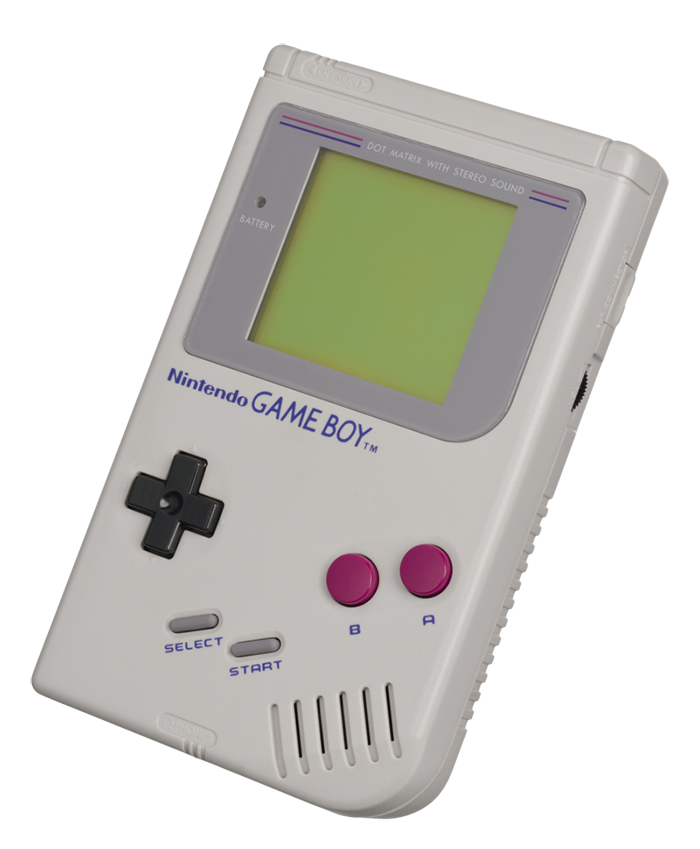
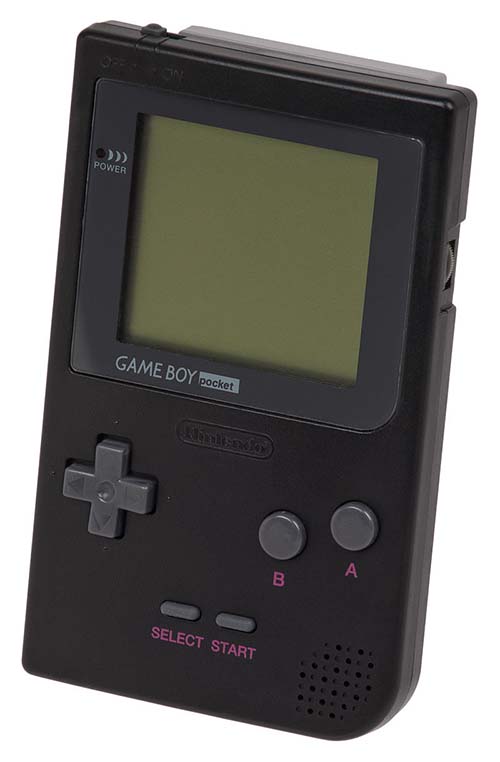
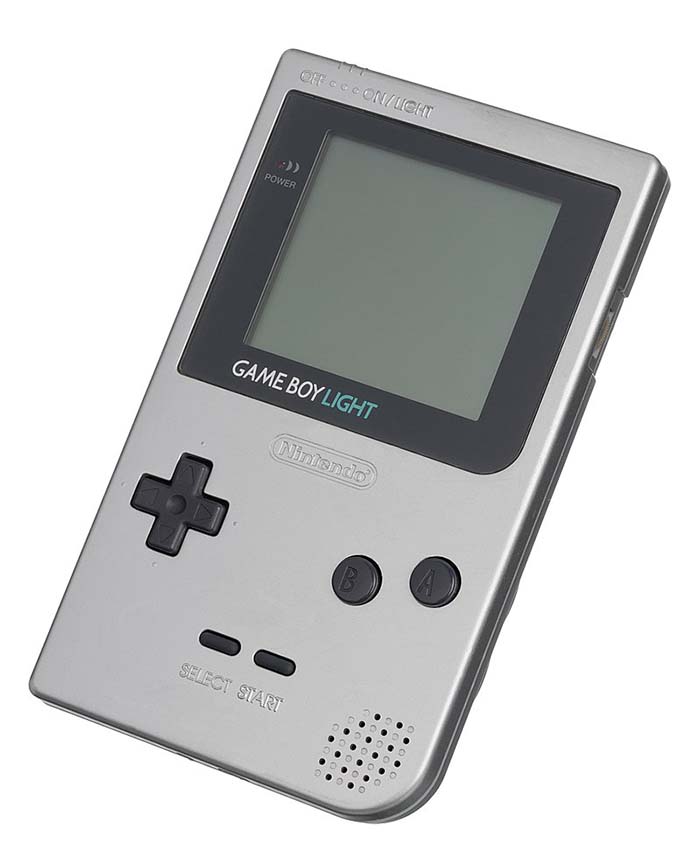
The Nintendo Game Boy was released in 1989 and answered the question to weather or not games could be played in the car. The Game Boy's hardware is most comparable to that of the NES, with it's most notable similarities coming from interchangeable cartridges, which are loaded into the back of the system, and it's 8-bit sprites. In order to achieve true portability (no wires), some sacrifices had to be made, most notably, it's monochrome screen. The Game Boy was not capable of playing games in color, not without severely draining the battery, so the option to have colored games was removed entirely. Later revisions would make the console smaller and add a backlit screen.
"Now In Color"
Nintendo Game Boy Color
1998
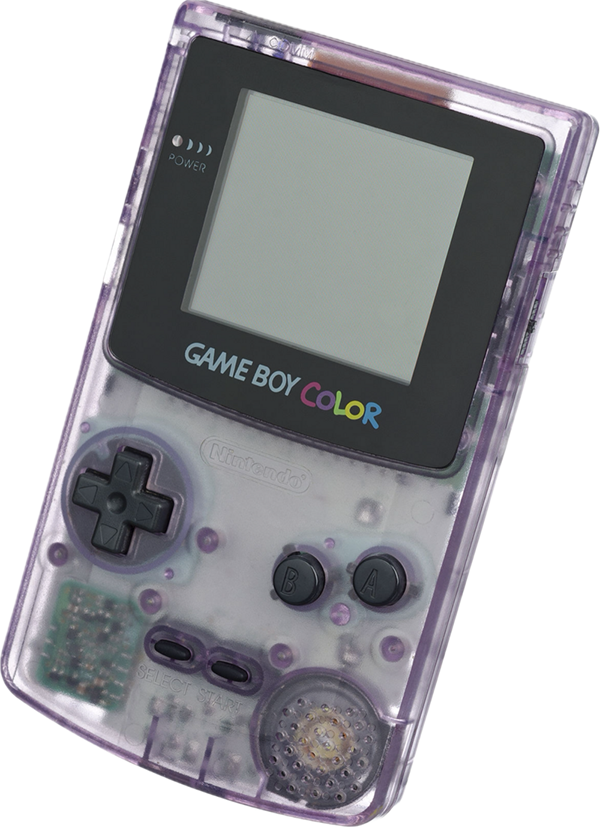
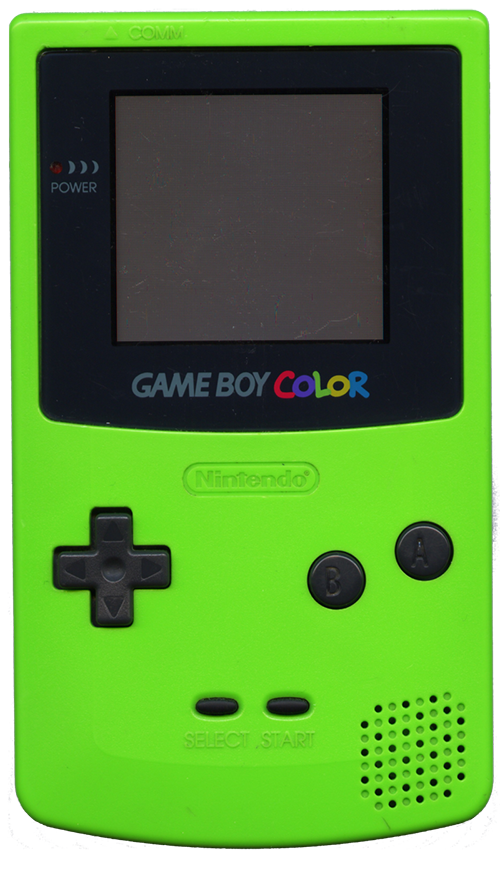
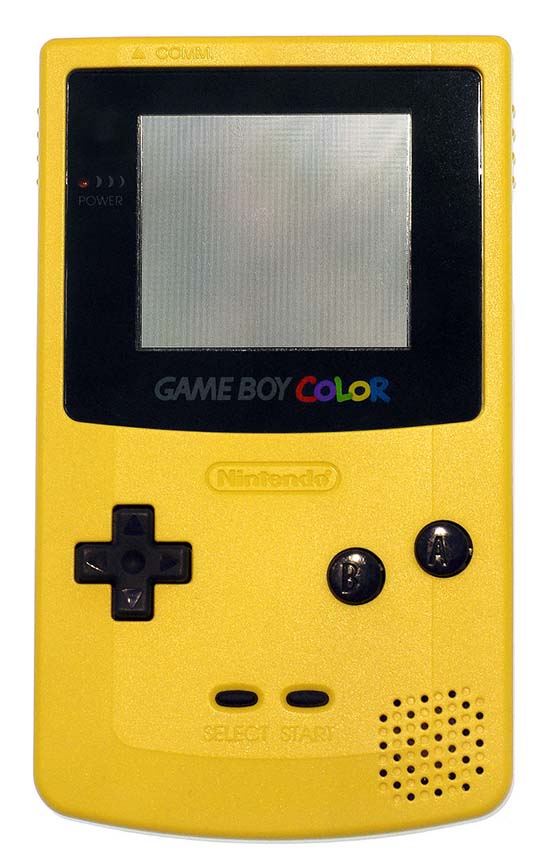
The Color Problem has been solved! The Game Boy Color is more or less the same old Game Boy with brand new color capabilities. In the 10 years it took to be able to have color and a good battery life, there were only some minor hardware upgrades, mainly slightly faster load times.
"Modern Advancements"
Nintendo Game Boy Advance
2001
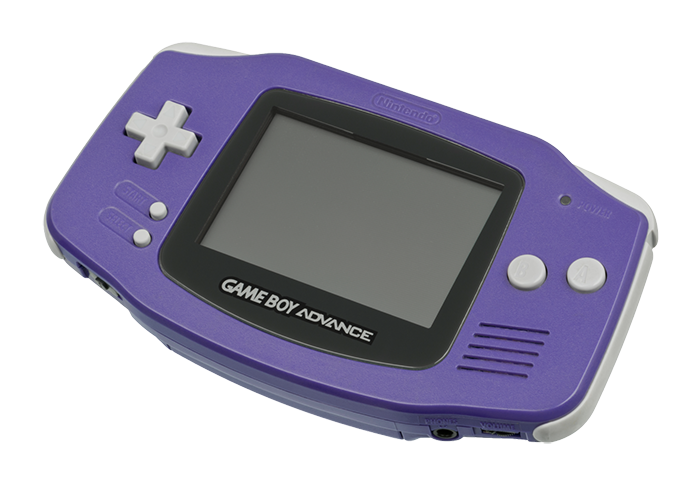
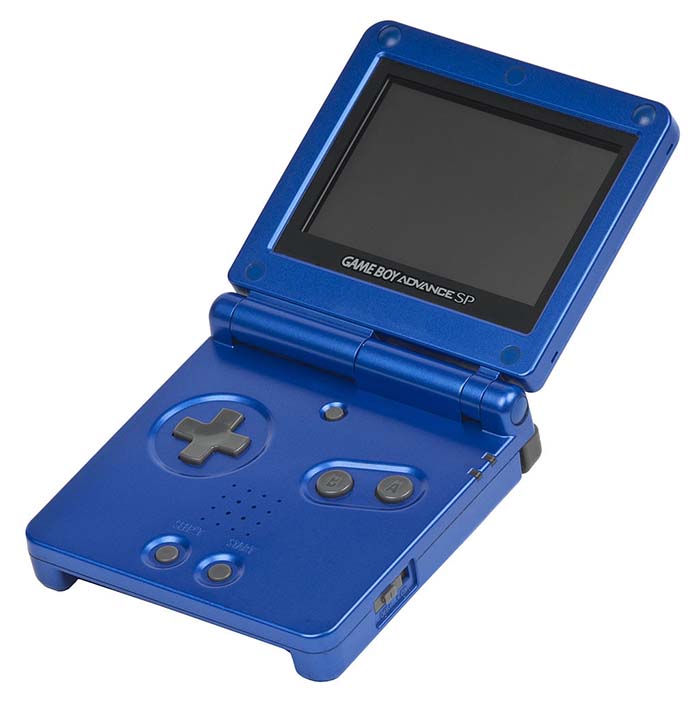
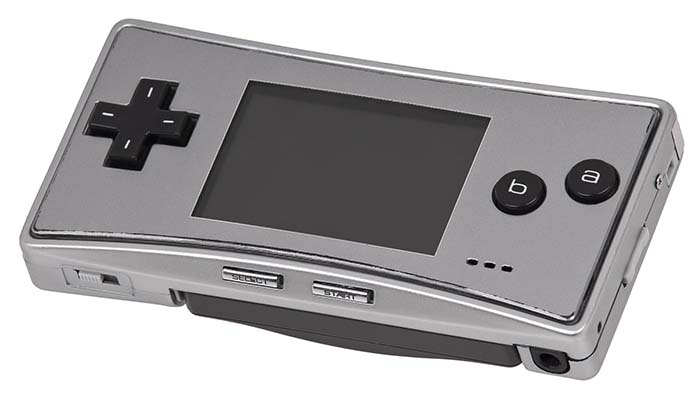
The final installment in the Game Boy line is the Game Boy Advance, released in 2001. The Game Boy Advance has hardware similar and in some cases better than the SNES, features full color 16-bit graphics and backwards compatibility with Game Boy and Game Boy Color games. Although it did not release with a back lit screen, later reversions, such as the Game Boy Advance SP and Game Boy Advance Micro, would rectify this mistake.
"Dual Screens"
Nintendo DS
2004
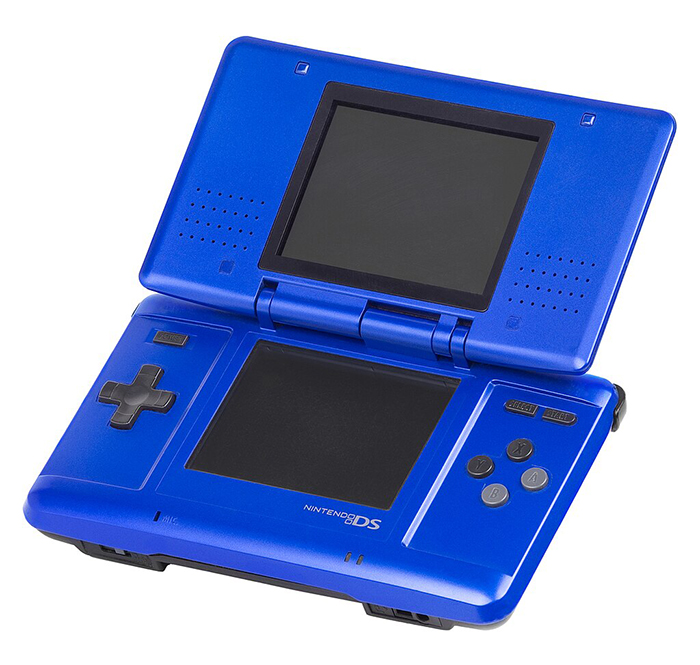
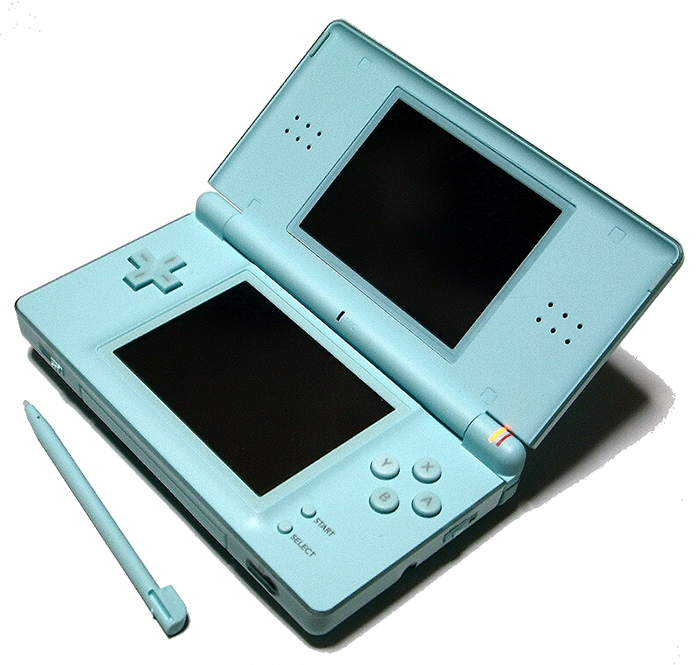
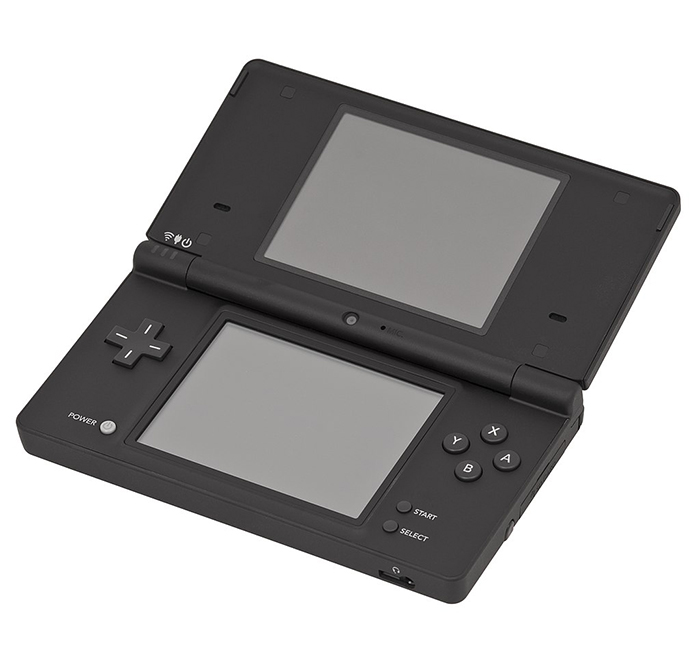
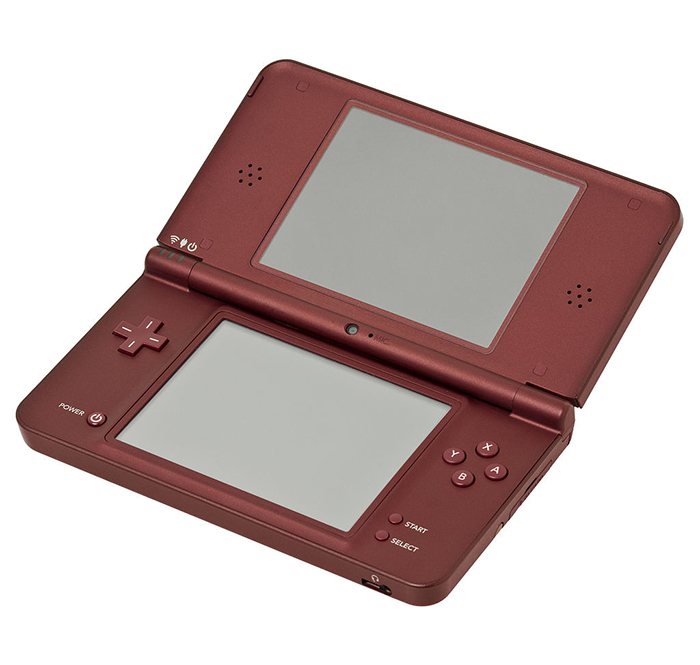
The Nintendo DS was released in 2004 as a successor to the Game Boy line of portable consoles. It's most notable features are it's two screens. Game play takes place on both the top and the bottom screen, but only the bottom screen had new intractable touch features. The DS would receive 3 revisions throughout it's lifetime. The first revision, The DS Lite, made the DS slimmer and gave it larger screens. The DSi soon followed which completely re-worked it's operating system, giving the DS the earliest example of an Online store and downloadable apps. On top of new apps, the DSi also had a new camera which was used as a gimmick in certain games that could only be played on this iteration. The DSiXL was just a larger version of the last DS. All of these revisions could play DS cartridges, however only the original DS and DS Lite had the ability to play Game Boy Advance games. Interestingly enough, they both lacked the ability to play regular Game Boy and Game Boy color games.
"3 Dimensional Screen"
Nintendo 3DS
2011
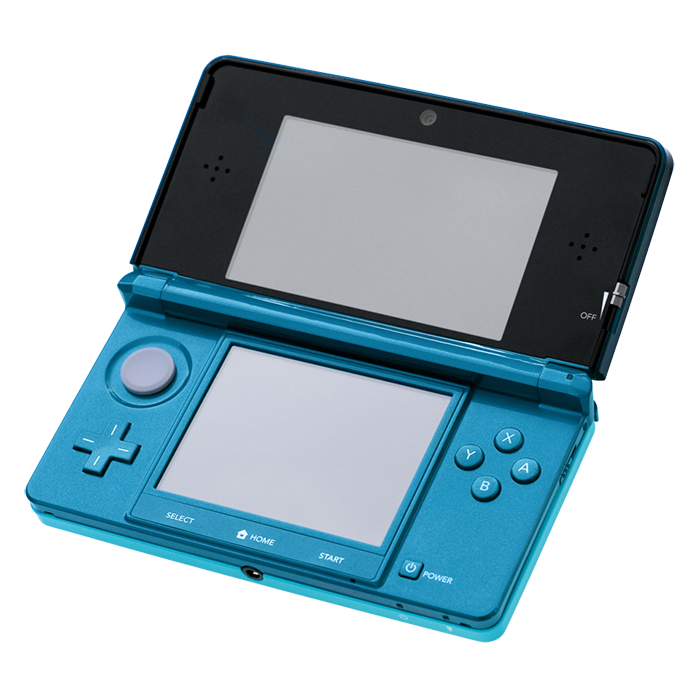
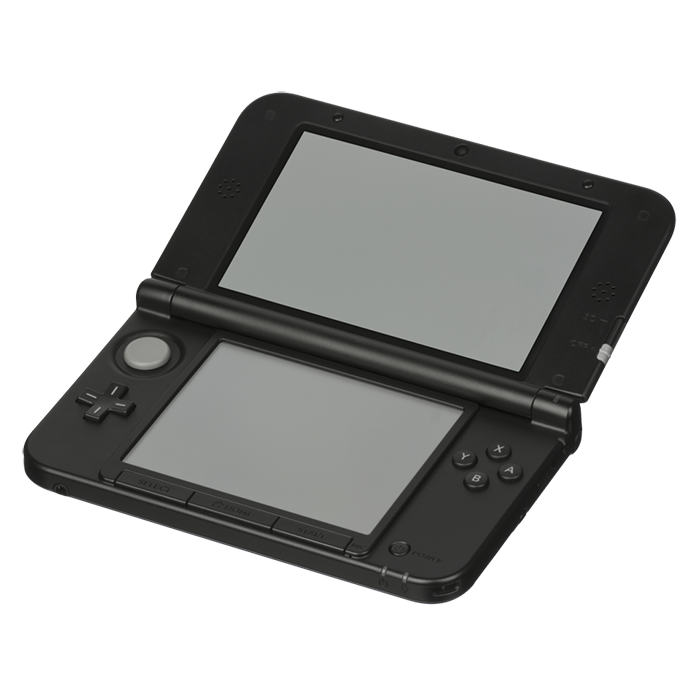
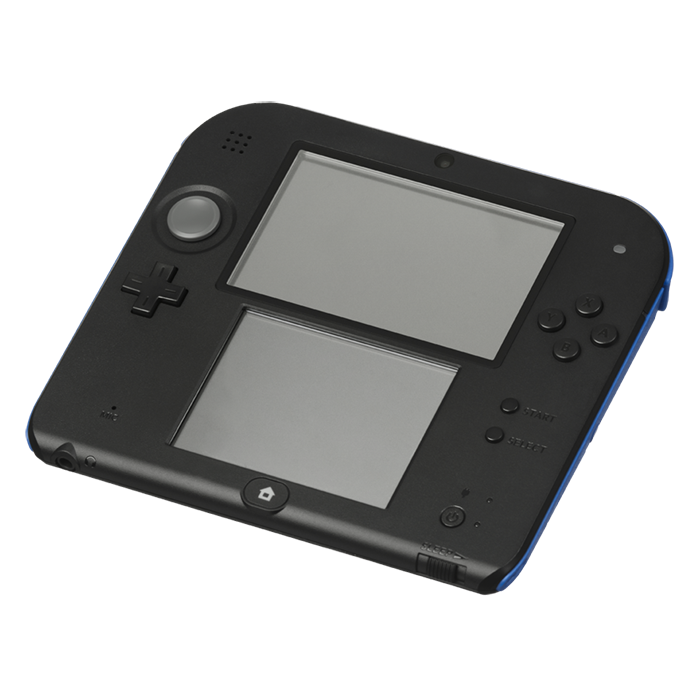
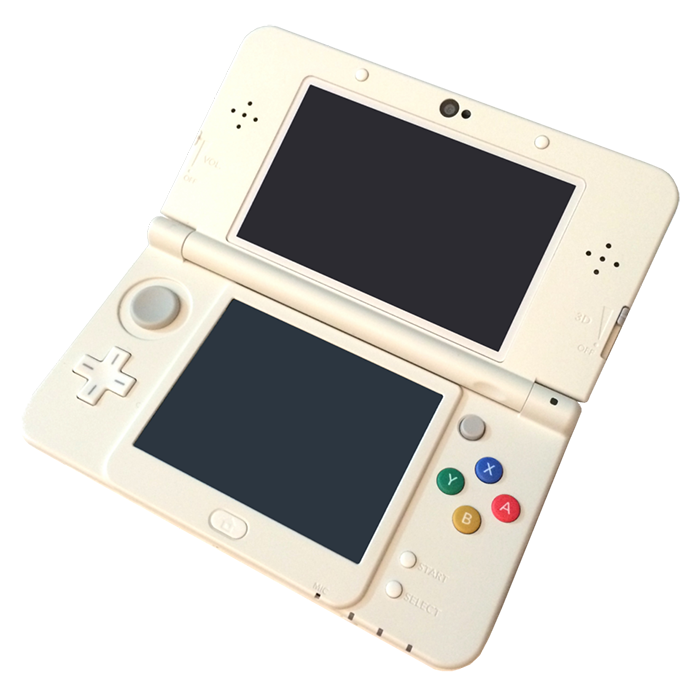
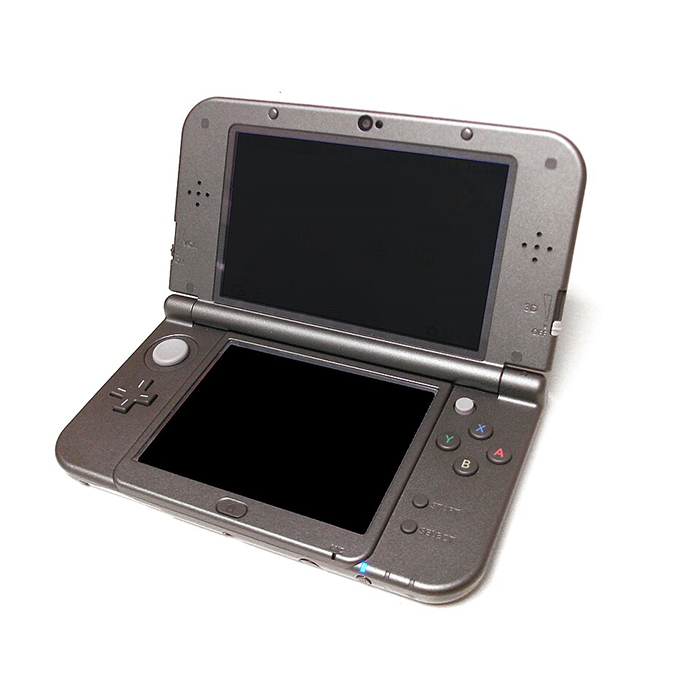
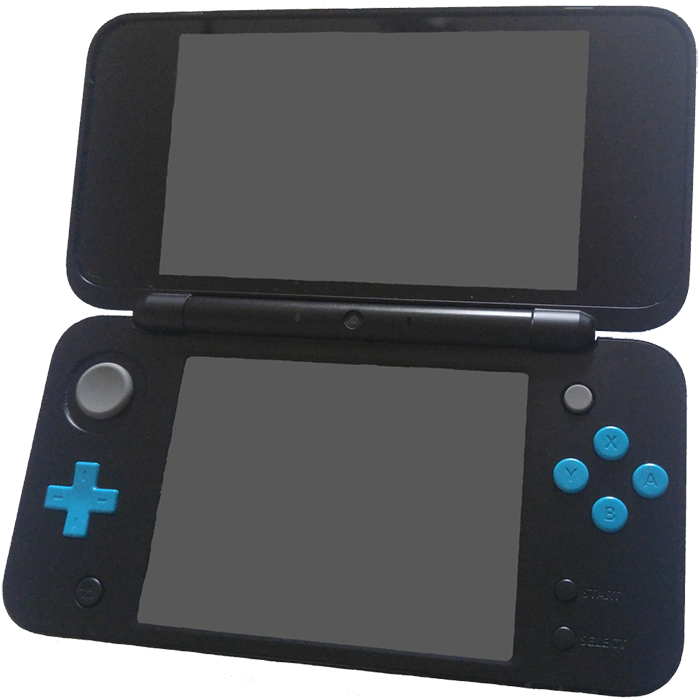
The successor to the Nintendo DS is the Nintendo 3DS, which is essentially just a beefed up DS. The 3DS kept all of the DS's gimmicks, bringing back the two screen format, with the bottom screen having touch controls, the now common practice digital storefront, and the ability to play any of the DS games you already owned. The new gimmick this time was that the top screen could produce full stereoscopic 3D effects, all without those silly red and blue glasses. The Nintendo 3DS would receive six major revision in it's life time, pictured below, in chronological order. The first revision, the 3DS XL, made the screens much larger. The second revision, The 2DS, was more of an alternative for the 3DS, removing the 3D ability (not for use by children under 7) and the clamshell properties the DS line is known for, making the console much cheaper. The "New" 3DS is the fourth revision this time adding major hardware upgrades. The fourth revision was quickly replaced with the fifth, The New 3DS XL, once again enlarging the screens. The sixth and finale revision, The New 2DS XL, kept the larger screens of the previous XL models, but once again removed 3D as a cheaper alternative.
Last Stage | Try Again? | Next Stage
Created by Austin Chmielewski, Web Art & Design, Fall 2025