
A Brief History
You've selected:
Home Consoles
"We have games at home"
Nintendo Entertainment System
1985
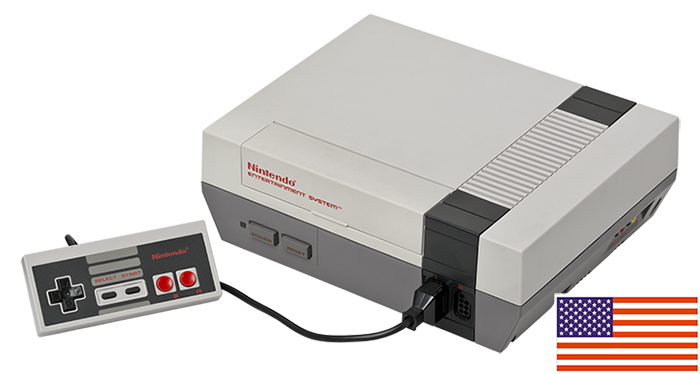
Nintendo's first home console hit the North American market in late 1985, but was first introduced in Japan in 1983, under the name Family Computer, also known as the Famicon. The console used 8-bit technology loaded onto cartridge based units in order to bring the arcade experience at home. However, the NES was able to bring something greater than arcade games. The NES would begin to perfect the concept of adventure and story games. Thanks to then ground breaking technology, games could have a narrative now and your progress could be saved right on the cartridge.
"If it ain't broke, don't fix"
Super Nintendo Entertainment System
1991
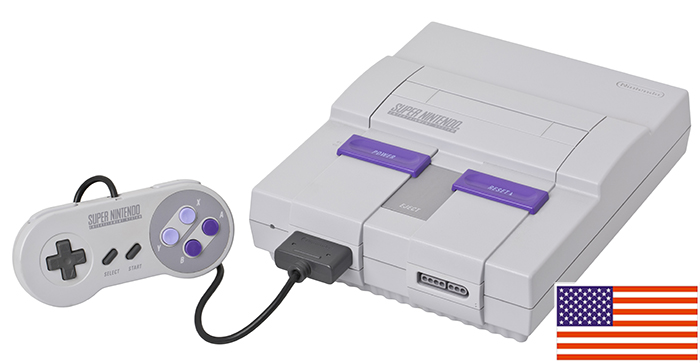
The cleverly named Super Nintendo Entertainment System, other wise known as the Super Nintendo, launched in 1991. The SNES upgraded from 8 bit graphics to 16 bit graphics, allowing for more detailed sprites and layered backgrounds. Improved technology allows games to be bigger and better than ever. SNES cartridges allocated a lot more space for games compared to the NES, allowing for a longer better experience with your game, with some of the best narrative driven games being found first on this console. Some SNES games we're even capable of a pseudo 3D effect, mimicking how real 3D would look just a few years later.
"Another Dimension"
Nintendo 64
1996
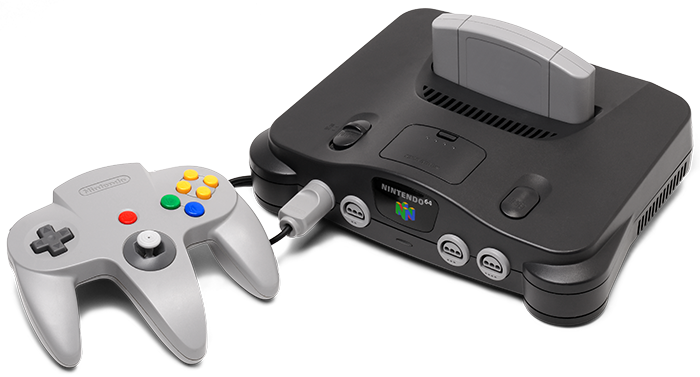
The Nintendo 64 marks Nintendo's jump from the second dimension to the third, allowing for a whole new way to play games. Hardware improvements and new discoveries in technology allowed games to jump from 16-bits to 64, and have a full 180 degrees of motion, instead of just left to right. The Nintendo 64 didn't have any major revisions, it did however receive an add-on titled the 64DD. While the base Nintendo 64 was only able to play cartridges, the 64DD add-on gave the N64 the ability to play disk based games. The attachment was ultimately short lived and only ever released in Japan.
"Games3"
Nintendo GameCube
2001
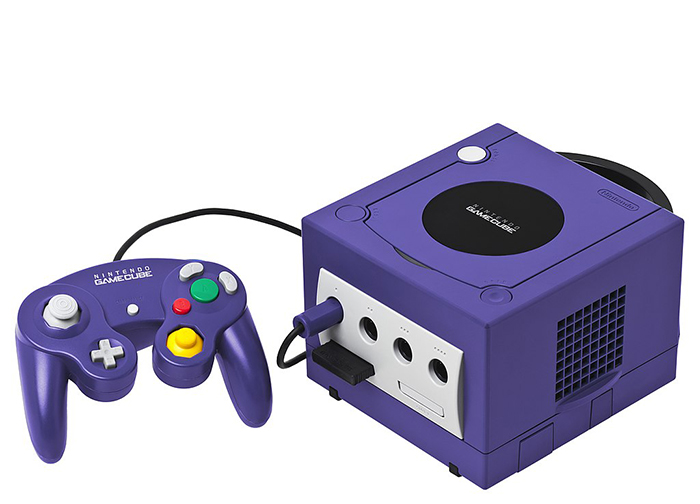
The Nintendo GameCube launched in 2001, marking Nintendo's second 3D console and their first to launch with a game starring someone besides Mario. The GameCube is what I consider to be Nintendo's last "regular" console, with the GameCube just being a somewhat standard console with a simple controller. All of the GameCubes differences from the Nintendo 64 are hardware based, running on much better technology, making for smooth graphics, and finally using disc based technology to play games, improving loading times, storage, and cut-scene qualities.
"E for Everyone"
Nintendo Wii
2006
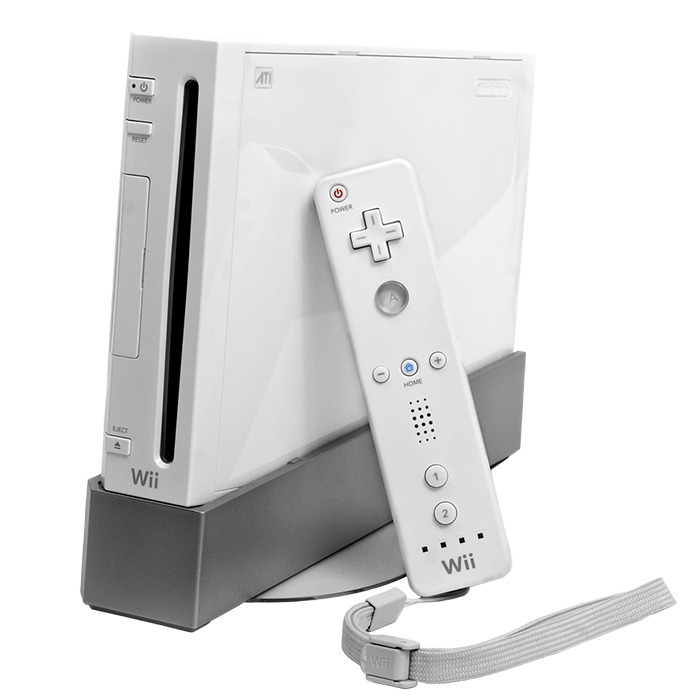
Nintendo released the Wii in November of 2006 and it forever changed gaming. This console had a huge emphasis on "fun for the whole family", largely focusing on multiplayer and family friendly games. This emphasis would turn into Nintendo's biggest success at the time, becoming one of the most sold consoles ever. The Wii also marked Nintendo's shift towards it's consoles having some sort of gimmick associated with it. The Wii's unique feature is that is has motion controls, requiring you to point your controller at the TV to move around, instead of using a standard d-pad or joy-stick, although many games still let you do so.
Mii 'n U
Nintendo Wii U
2012
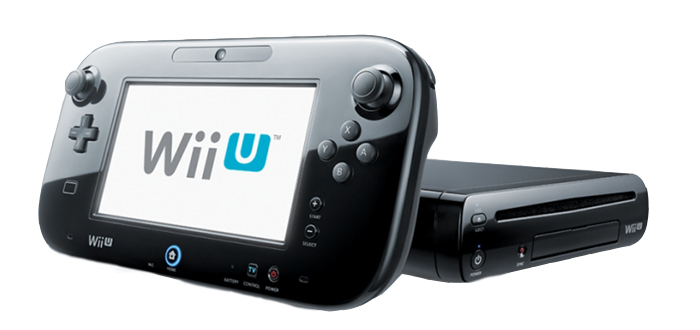
Nintendo was riding high off of the Wii's success, so for their next console keeping the Wii branding was a no-brainer. Unfortunately this confused many people. Many didn't realize this was a new console and not just a deluxe Wii, being one of many factors contributing to the consoles overall failure. In reality, the Wii U is in fact a different console but it does feel like just a hardware upgrade from the Wii Nintendo's gimmick this time around was keeping everything from the Wii, but adding a tablet into the mix, that would function similar to the bottom screen of the DS.
Culmination
Nintendo Switch
2017
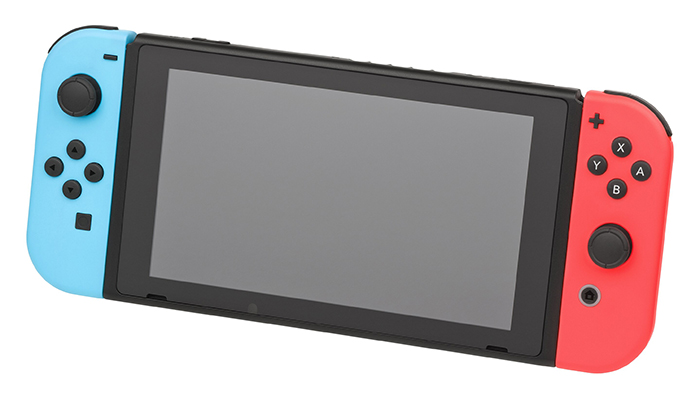
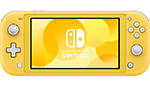
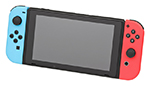
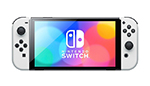
Against All odds the Nintendo Switch, released in March of 2017, did absurdly well for Nintendo, dethroning the Wii as Nintendo's best selling console of all time. The Nintendo Switch is a culmination of everything Nintendo has ever produced. The console is actually both a home console and a portable console, capturing both markets with one system. The controllers function like the Wii's, a lot of the games are Wii U ports that many people did not get to experience. The Switch would also have access to a decent selection of Nintendo's older games through it's Online subscription, which made the Switch feel like a true celebration of Nintendo's history. The Switch had multiple different revisions, starting with the original (middle), going to the Switch Lite (left), a cheaper smaller Switch, and the Switch Oled (right), a switch with a bigger and brighter screen and a better kickstand.
Perfecting The Formula
Nintendo Switch 2
2025
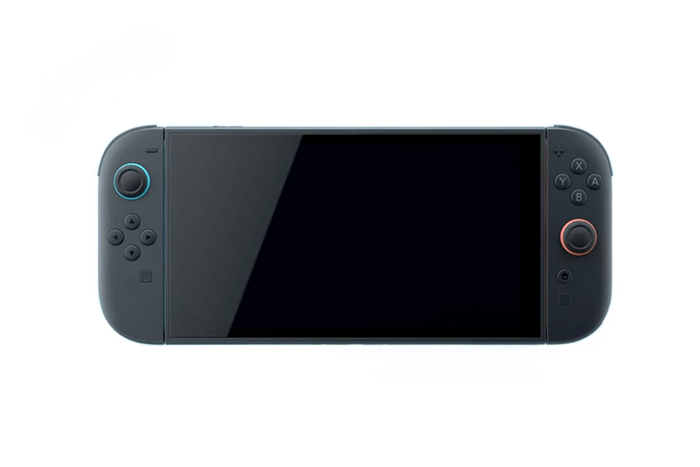
The Nintendo Switch 2 fell into the same mistake that Nintendo made with the Wii U, which was not differentiating it enough. Miraculously, the Switch 2 escaped the fate of the Wii U and ultimately became Nintendo's fastest selling console of all time. The Switch 2 is everything the original Switch was but more powerful. They fixed some small things, such as their digital storefront, but the console is identical on the surface. The graphics this thing is able to produce while being portable is impressive, but there aren't many games exclusively made for it as of now, so it's power is largely unused.
Last Stage | Try Again? | Next Stage
Created by Austin Chmielewski, Web Art & Design, Fall 2025